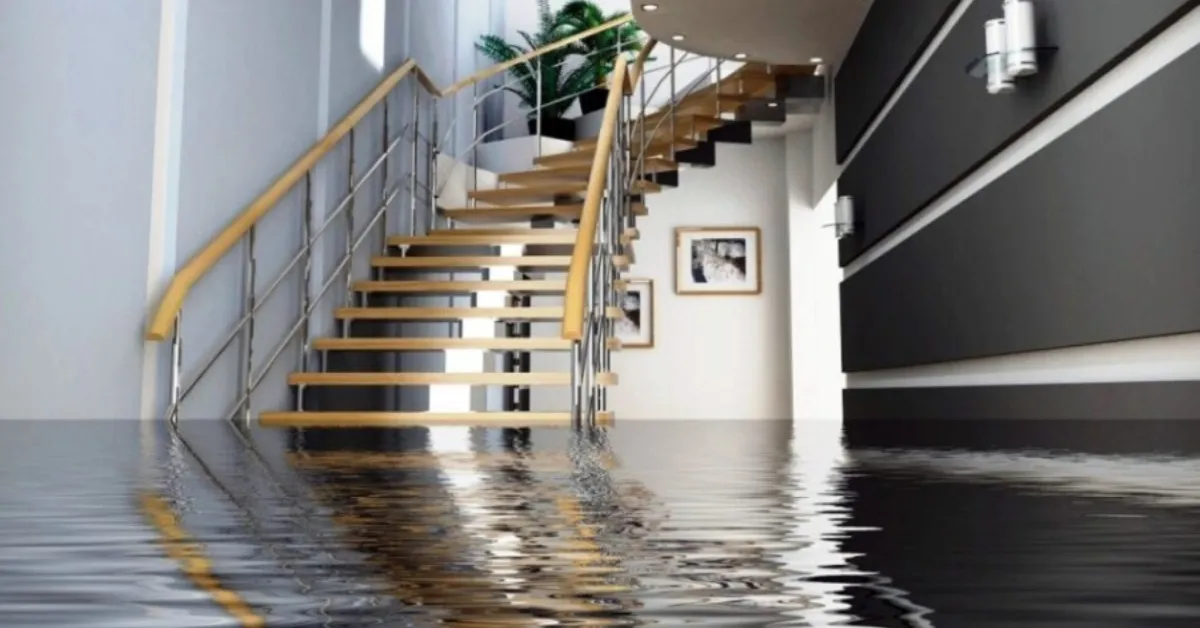
A sudden flood in your home is one of the most stressful situations a homeowner can face. Whether it stems from a burst pipe, heavy storm surge, or a backed-up sewer line, watching water creep across your floors triggers immediate panic. Water moves fast, seeping into drywall, soaking subfloors, and damaging structural framing within hours.
When your living space is underwater, taking swift, decisive action for Flood Damage Restoration is critical to limit structural destruction and prevent hazardous mold growth. Understanding what steps to take and when to call in the professionals can mean the difference between a quick recovery and a costly, long-term nightmare.
Immediate Steps to Take When Disaster Strikes
The moments directly following a flood are critical. Before stepping into any water, your first focus must be personal safety, followed immediately by damage mitigation.
Prioritize Electrical and Personal Safety
Never walk into a room with standing water until you are 100% sure the power is switched off. Water and electricity are a deadly combination. If your main electrical panel is located in a flooded area, do not touch it—contact your power utility immediately. Always wear thick-soled rubber boots and heavy-duty gloves to protect yourself from sharp objects and contaminated water.
Stop the Water Source
If the flooding is caused by an internal plumbing failure, turn off your home’s main water shutoff valve right away. If the culprit is severe weather or external rising ground water, you will need to shift focus entirely to containment and rapid Emergency Flood Cleanup.
Contact Professional Help Immediately
Water extraction requires heavy-duty industrial equipment. Reaching out to an experienced team right away prevents secondary water migration. The restoration specialists at GCR BUILDERS, LLC respond quickly to stabilize flooded properties, minimizing structural losses before damage worsens.
The Critical Phases of Professional Flood Damage Restoration
Restoring a flooded home involves far more than pushing water out with a squeegee. Professional Flood Damage Restoration follows a systematic process designed to eliminate moisture deep within structural materials.
Thorough Site Inspection and Assessment
Restoration experts evaluate the standing water to categorize the contamination level (clean water, gray water, or black water). This assessment dictates the exact safety protocols, cleanup techniques, and disposal requirements needed for your specific situation.
Rapid Water Extraction Services
Eliminating standing liquid as quickly as possible stops deep soaking into building materials. High-powered Water Extraction Services utilize truck-mounted pumps and submersible units to extract thousands of gallons of water rapidly.
Structural Drying and Dehumidification
Even after liquid water is gone, subfloors, wall studs, and insulation retain hidden moisture. Industrial-grade air movers and low-grain refrigerant dehumidification units are placed strategically to draw bound moisture out of materials, bringing indoor relative humidity back to safe levels.
Managing Specific Areas | Basement Flood Cleanup
Basements are particularly vulnerable to flooding because they sit at the lowest point of your property. Gravity drives excess water downward, making Basements Flood Cleanup a frequent challenge for homeowners.
Critical Warning: If your basement is completely submerged, do not pump all the water out at once. Pumping water out too fast can cause a drastic pressure difference between the saturated soil outside and the empty basement inside, leading to caved-in basement walls.
Professionals pump basement water down in controlled increments (about 2 to 3 feet per day) to equalize pressure while performing essential Water Removal Services.
Disinfection and Mold Prevention
Water standing for as little as 24 to 48 hours creates an ideal breeding ground for mold spores and harmful bacteria.
- Microbial Treatments: All affected surfaces must be treated with EPA-registered antimicrobial agents to neutralize pathogens.
- Structural Material Removal: Unsartorially damaged materials, such as wet drywall, saturated carpet padding, and insulation, must be carefully removed and discarded.
- Sanitization: Thorough cleaning ensures your indoor air quality returns to a healthy standard before reconstruction begins.
Rebuilding and Residential Water Damage Repair
Once the drying process is complete and verified with thermal imaging and moisture meters, the focus turns to Residential Water Damage Repair. This phase restores your home to its pre-loss condition, replacing damaged drywall, hanging new trim, re-installing flooring, and rebuilding affected structures.
Working with an experienced team like GCR BUILDERS, LLC ensures that your rebuild is handled with high-quality craftsmanship, proper moisture barriers, and strict adherence to local building codes.
Frequently Asked Questions
How quickly should flood cleanup begin after a leak or storm?
Restoration efforts should begin immediately, ideally within 24 to 48 hours. Mold spores can germinate and spread rapidly within 24 hours of moisture exposure, making fast action essential to prevent secondary damage.
Can I dry out a flooded house on my own using standard household fans?
Standard household fans move surface air but lack the velocity and static pressure needed to pull deep moisture out of structural framing, subfloors, and wall cavities. Professional drying equipment and industrial dehumidifiers are required to prevent structural decay and hidden mold growth.
Will my home insurance cover the cost of flood damage restoration?
Coverage depends on the water source. Standard homeowners insurance policies typically cover sudden, accidental internal water damage (like a burst pipe), while damage caused by rising natural floodwaters usually requires a separate flood insurance policy through NFIP or private insurers.
How long does the complete water extraction and drying process take?
The extraction process usually takes a few hours, but structural drying typically requires 3 to 5 days depending on the materials affected, humidity levels, and the volume of water involved.
Why does carpet padding usually need to be replaced after a flood?
Carpet padding acts like a sponge, absorbing dirty water and holding moisture directly against the subfloor. It is virtually impossible to thoroughly dry and sanitize saturated padding beneath a carpet, making replacement the safest option.
Don’t Wait Restore Your Home Today
Time is your biggest enemy during a flood event. Prompt Flooded Home Cleanup stops water from destroying your foundation, saves valuable personal possessions, and protects your family from indoor health hazards.
For reliable Emergency Water Removal and structural restoration services, trust the expert team at GCR BUILDERS, LLC. We are ready to help you navigate every step of the recovery process.
- Phone: (409) 526-3629
- Email: info@gcrbuildersllc.com