
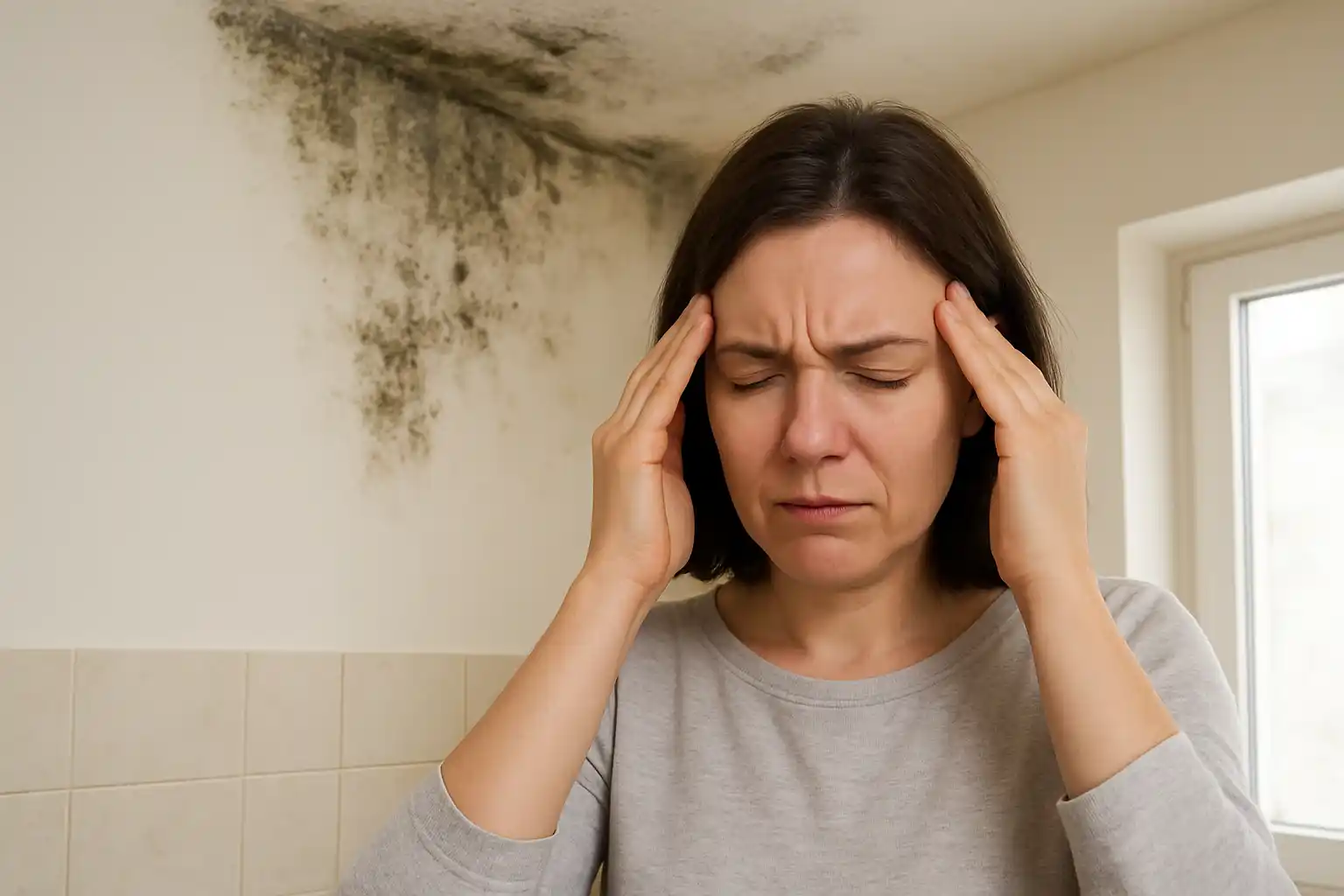
Have you ever noticed a recurring headache that seems to appear when you’re at home, but disappears when you leave? Many people underestimate the role of their living environment in persistent headaches. One surprising culprit could be mold. While most of us associate mold with musty smells or visible stains on walls, it can also impact your health in ways you might not immediately recognize.
So, the answer for can mold cause headaches? In simple terms, yes certain types of mold, especially in damp or poorly ventilated spaces, can trigger headaches and migraines. Mold spores release mycotoxins and allergens, which, when inhaled, can irritate your nervous system and lead to various symptoms, including headaches.
This article will explore the connection between mold and headaches, highlight common signs to watch for, examine the risks of prolonged exposure, and provide actionable steps to safeguard your health. Whether you’re concerned about black mold or just general household mold, understanding the link is the first step toward relief.
How Does Mold Affect Your Head?
Mold can affect the body in multiple ways, especially for those sensitive to allergens. Exposure to mold spores can lead to inflammation, nasal congestion, and respiratory irritation, all of which are common headache triggers.
Discover how GCR Builders LLC can help make your home mold-free today.
Common Symptoms Linked to Mold Exposure
- Recurring headaches or migraines
- Sinus pressure and congestion
- Fatigue and brain fog
- Eye irritation and watery eyes
- Respiratory issues like coughing or wheezing
While not every headache is caused by mold, frequent, unexplained headaches that correlate with your time at home or work should prompt a closer look at your environment.
Can Mold in a House Really Cause Headaches?
Yes, mold in your house can be a hidden trigger for headaches. Homes with poor ventilation, water leaks, or high humidity levels provide the perfect environment for mold growth. Even if mold is not visible, spores can linger in the air, leading to repeated exposure.
Real-World Example
A study conducted by the Environmental Protection Agency (EPA) showed that people living in damp buildings were significantly more likely to report headaches and fatigue. In one case, a family experienced daily headaches until a mold remediation professional removed hidden mold behind drywall.
Can Black Mold Cause Headaches?
Black mold, or Stachybotrys chartarum, is often highlighted as particularly harmful. It produces mycotoxins that can irritate the nervous system, potentially triggering migraines and chronic headaches.
Expert Tip: Those with asthma, allergies, or compromised immune systems are more susceptible to mold-related headaches.
Signs Your Home Might Have Black Mold
- Musty odors that persist despite cleaning
- Dark green or black patches on walls, ceilings, or under sinks
- Water damage or leaks that have not been properly repaired
- Condensation build-up on windows and walls
If these signs are present, professional testing and remediation are strongly recommended.
Can Mold Cause Headaches Everyday?
For individuals living in mold-infested homes, headaches can become a daily occurrence. Continuous exposure to spores creates a cycle of irritation that may not subside without proper remediation.
Steps to Reduce Daily Headaches
- Identify moisture sources and fix leaks immediately
- Use a dehumidifier to maintain indoor humidity below 50%
- Regularly clean areas prone to mold growth, such as bathrooms and basements
- Consider professional mold testing if symptoms persist
Health Risks Beyond Headaches
While headaches are a common symptom, mold exposure can affect more than just your head. Long-term exposure can cause:
- Respiratory infections
- Chronic sinusitis
- Allergic reactions like skin rashes
- Fatigue and cognitive impairment
Understanding these risks underscores the importance of addressing mold promptly.
FAQ
Can exposure to mold cause headaches?
Yes. Mold spores release allergens and mycotoxins that can trigger headaches, especially in sensitive individuals.
Can household mold cause migraines?
Certain molds, including black mold, can exacerbate migraine conditions by irritating the nervous system and sinuses.
Can mold in your house cause headaches every day?
Continuous exposure to indoor mold can lead to daily headaches and fatigue if the environment remains untreated.
How can I tell if mold is causing my headaches?
Look for recurring headaches that improve when you leave your home, musty odors, visible mold, or water damage in your living space.
Can mold cause headaches in children?
Yes. Children are particularly sensitive to mold exposure and may experience headaches, respiratory symptoms, or fatigue.
Is black mold more dangerous than other types of mold?
Black mold is considered more toxic due to its mycotoxin production, which can irritate the nervous system and cause severe headaches in susceptible individuals.
Conclusion
Mold in the home is more than just an unsightly nuisance, it can be a serious health concern. From triggering headaches and migraines to affecting respiratory health, exposure to mold should never be ignored. Identifying the signs, understanding the risks, and taking timely action can prevent prolonged discomfort.
For homeowners dealing with persistent headaches or mold-related issues, professional help is invaluable. GCR Builders LLC offers expert mold inspection and remediation services to ensure your living space is safe and headache-free.